The Discipline Behind Great Music
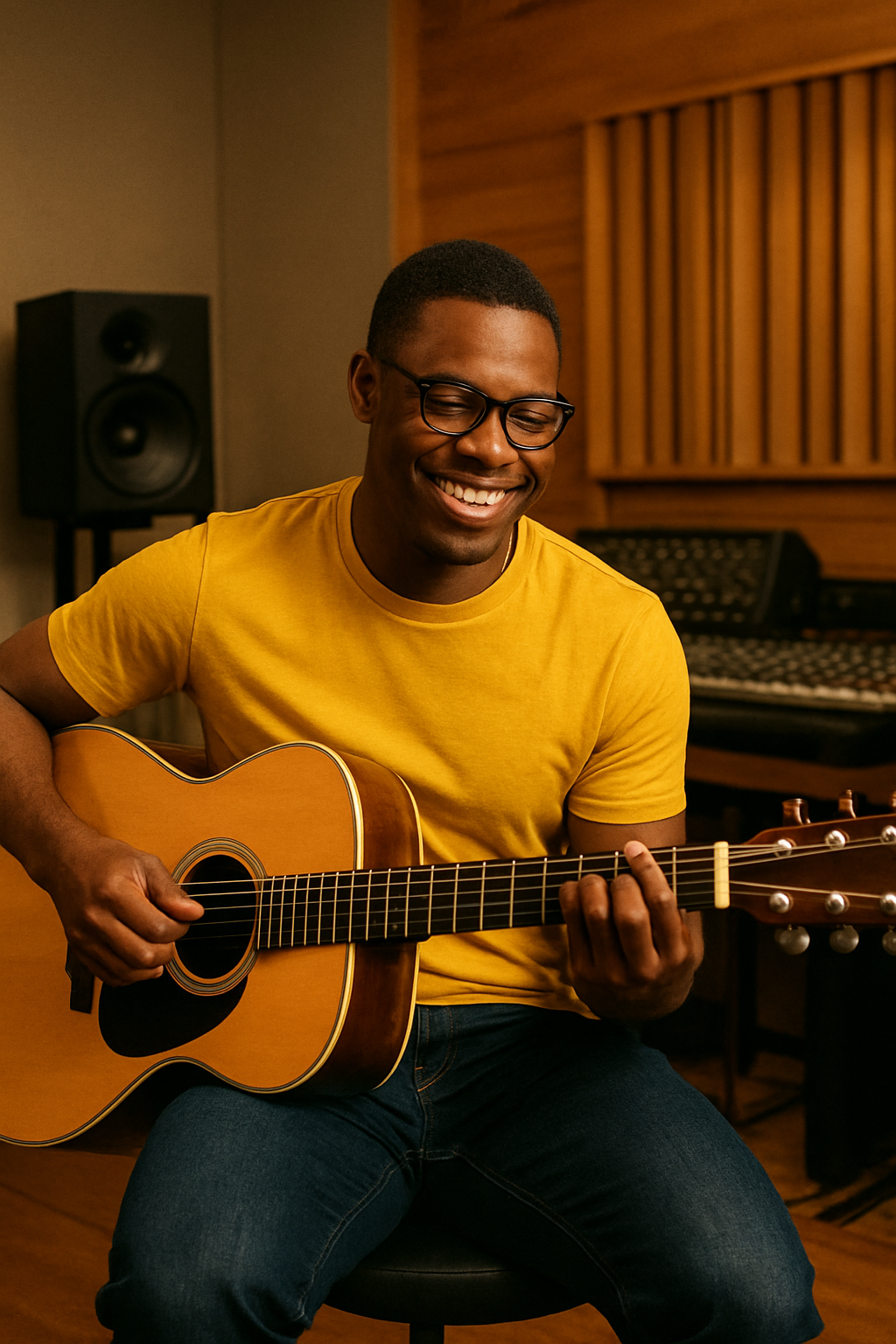
You must practice with clear goals. Do not just play. Train specific skills. Work on timing. Work on tone. Use a metronome. Record yourself. Listen with honesty. Fix what sounds weak. Repeat until it improves.
You must listen as much as you play. Study great musicians. Pay attention to phrasing, space, and control. Copy what works. Shape it into your own sound. Your style grows from informed choices, not chance.
You must learn basic music theory. Know your scales. Know your keys. Know common progressions. This makes you faster in rehearsals and sharper in the studio. It also makes you reliable.
You must respect time. Arrive early. Learn your parts before practice. Do not waste the time of other musicians. Respect builds reputation. Reputation brings opportunity.
You must train your ear. Work on pitch. Work on rhythm. Sing what you practice. A strong ear improves every part of your playing.
You must care for your body. Sleep enough. Drink water. Protect your hearing. Your body is your primary instrument.
You must play with others. Music improves through interaction. You learn timing from drummers. You learn control from bass players. You learn dynamics from singers.
You must stay teachable. Feedback is data. Use what helps. Ignore what does not.
You must handle rejection. It will happen. It is part of the process. Let your work respond, not your emotions.
A good musician serves the song. You play to support the message, not your ego. When you commit to the work, progress follows.